CSUR
Collection de Souches de l’Unité des Rickettsies
Created in 2015, the CSUR collection aims to preserve bacterial strains isolated in the framework of diagnosis activities and research project of the IHU Mediterranée Infection. The collection possesses a majority of bacterial strains from human sources, cultivated from pathologic sampling or healthy microbiota, in particular fastidious strains, never isolated before.
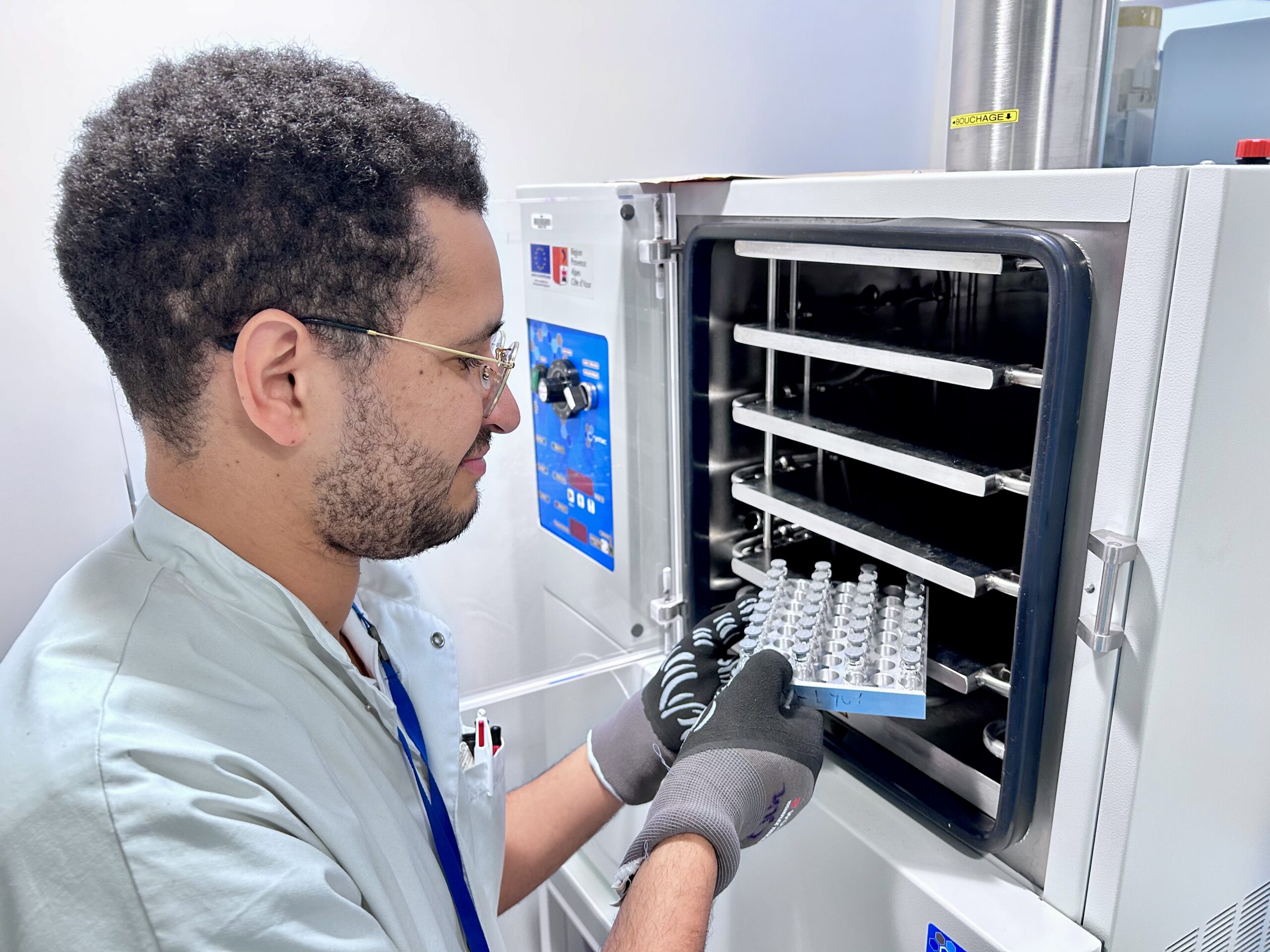
With a team of 6 members (1 Executif Director, 1 Scientific Director , 1 Project Manager, 2 Engineers and 1 Laboratory technician), the main objective of the CSUR collection is to preserve 10 copies of each collected bacterial strains.
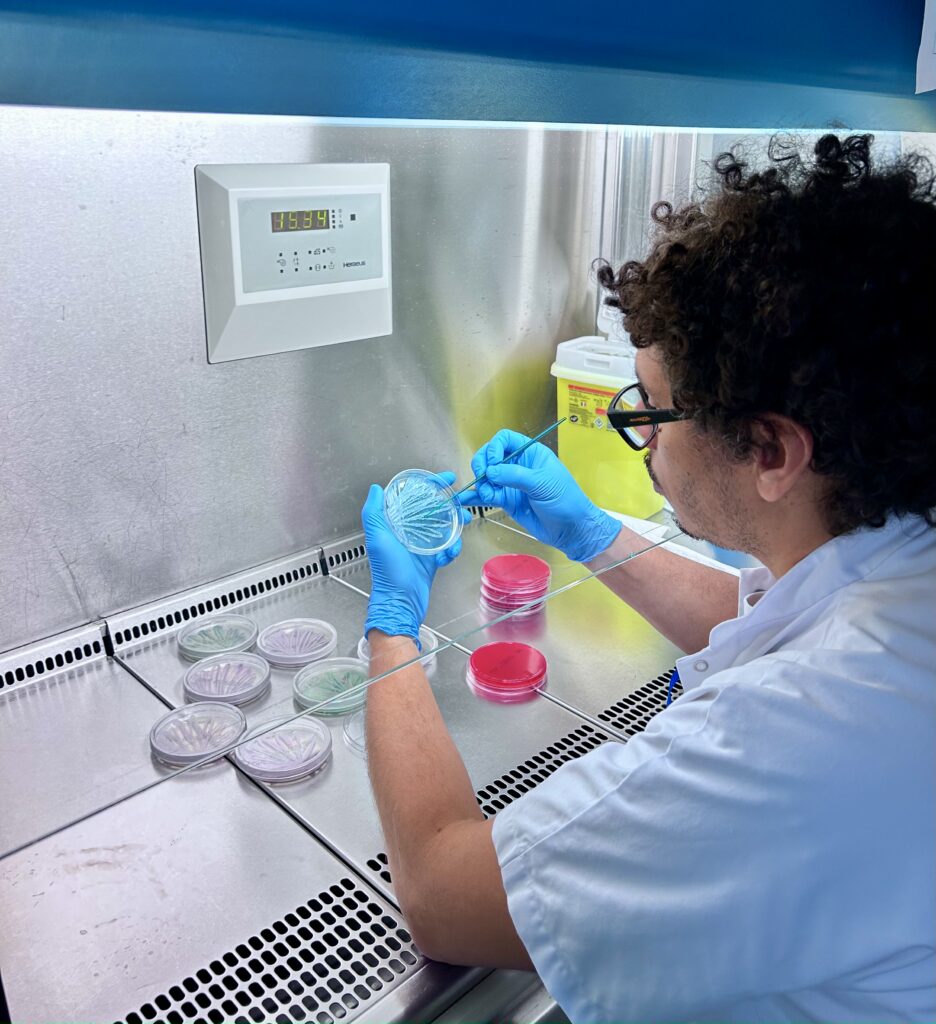
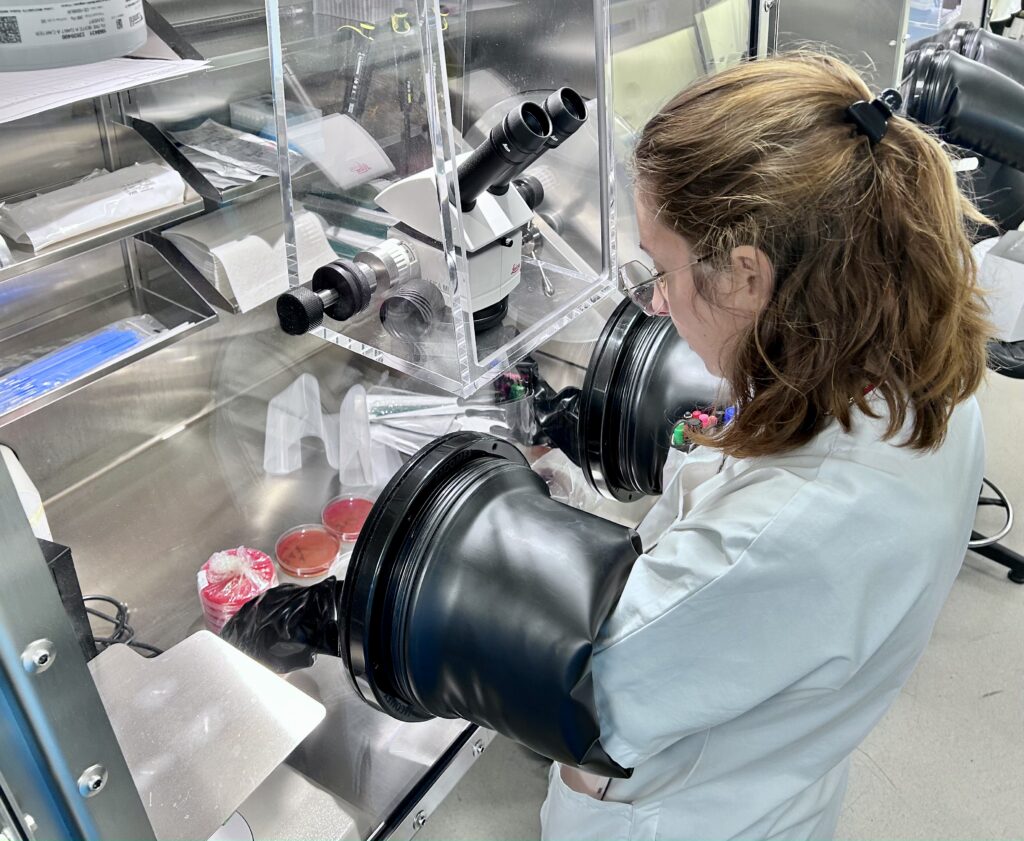
In order to grow a majority of strains, having various cultural properties, the CSUR collection features Biosafety 2 and 3 working areas, as well as anaerobic stations and several culture media. New species genomes are systematically sequenced by the IHU Genomic platform.

Taxonomy
The CSUR collection gathers a large bacterial diversity distributed in major taxonomic clades.
Among those species, a large range of bacteria from the Human digestive microbiota, along with specific fastidious pathogens belonging to the genera Coxiella, Bartonella and Rickettsia.
In addition, a Yeast and Fungi collection is starting to build.
Key numbers
To this date, the CSUR collection owns more than 3 400 references distriibuted in 620 different species. these include 280 bacterial strains isolated for the 1st time in IHU Mediterranée Infection laboratory, 200 strains Rickettsia, 600 Bartonella and 200 Coxiella.
Nagoya protocol
The Nagoya Protocol on the access to genetic resources and the fair and equitable sharing of benefits arising from their utilization in regards to the Convention on Biological Diversity, also known as Nagoya Protocol on Access and Benefits Sharing (ABS) is an agreement on International Biodiversity.
It was adopted at the tenth meeting of the Conference of the Parties on biological diversity of the United Nations, on the 29th of October 2010, in Nagoya, Japan, and put in motion on the 12th of October 2014.
The CSUR collection fits to that protocol for its bacterial strains coming from signatory countries and possesses the authority’s agreement to keep and formalize those strains in case of need and strictly conforms to it.
Technology
The CSUR collection uses several identification techniques for bacterial strains.
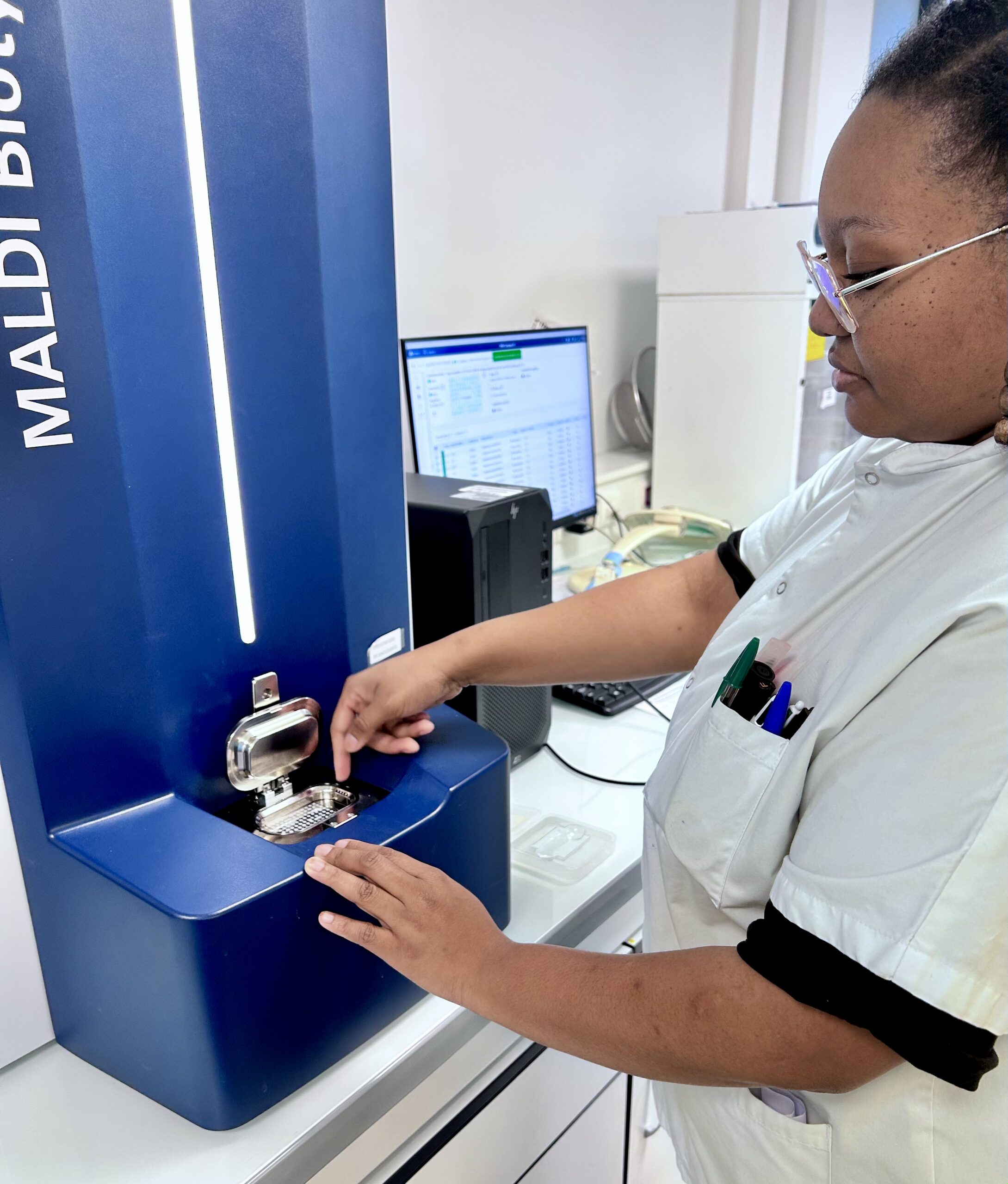
Primarily, the strains are characterized by mass spectrometry, using the MALDI-TOF MS technology allowing a rapid and precise of isolates by identification comparing them to a database systematically enhanced with the spectra of the strains kept in the collection.
If the MALDI-TOF MS technic is not sufficient enough to give a reliable identification, the RNA16S gene is amplified and sequenced, then compared to the Genbank database.
In case of a suspected new species, the whole genome is sequenced by NGS technology.
Research
The bacterial diversity of the CSUR collection comes from several studies carried out within IHU since 2013, in particular based on the culturomics strategy.
This culture method aims to multiply the culture conditions by varying many parameters such as: enrichment, medium, temperature, incubation and atmosphere, in order to be the closest to the natural conditions encountered by bacteria.
To this date, this process includes 18 culture conditions and a rapid culture protocol.